What the leucine gap actually means
Leucine is the trigger amino acid for muscle protein synthesis. Whey is rich in it, which is why it preserves muscle so effectively. Plant proteins carry less leucine gram for gram, so the same dose sends a slightly weaker muscle-building signal. The fix is simple math: eat a bit more total plant protein, or add leucine, and you reach the same threshold.
Blends beat single sources
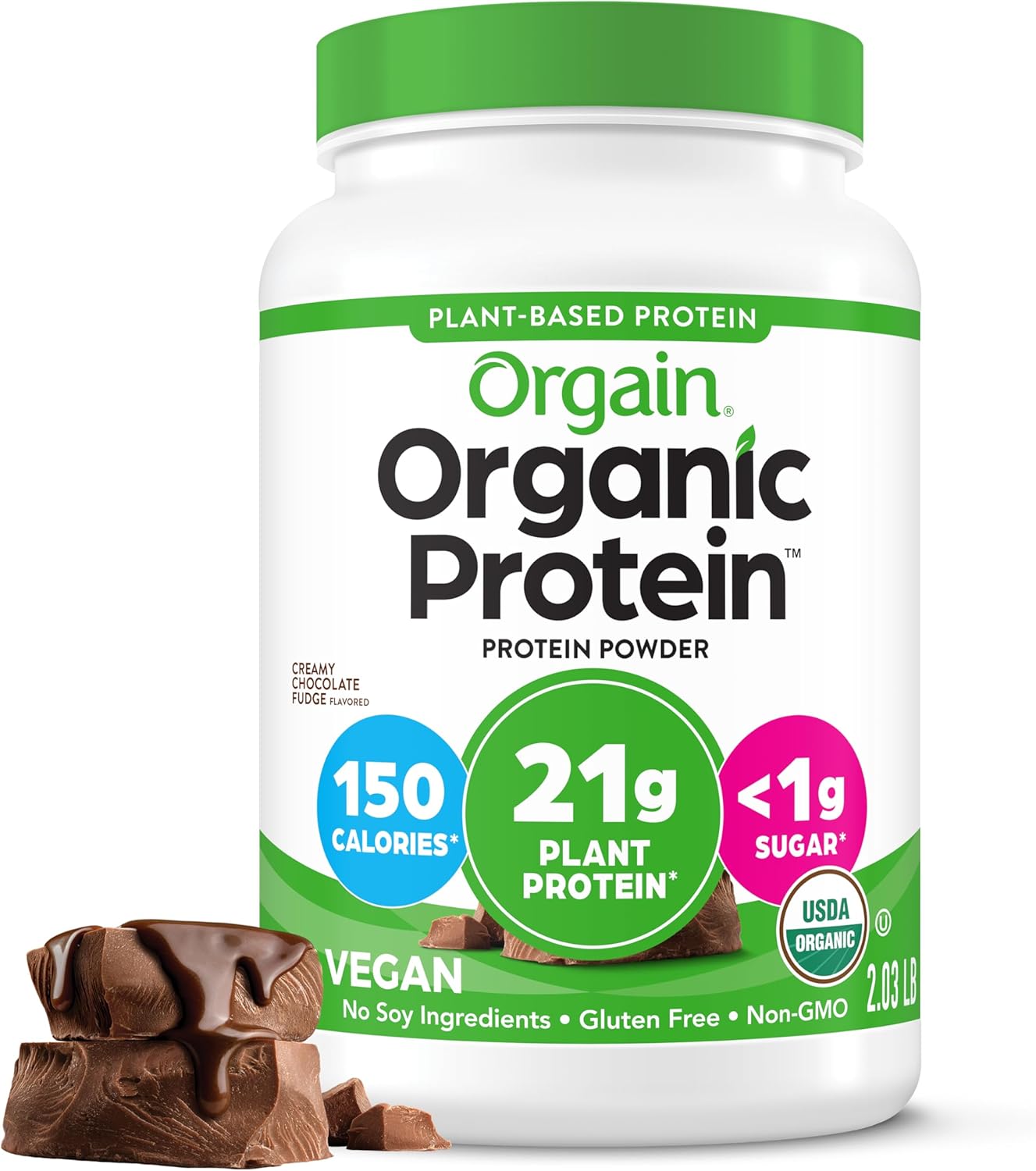
Pea protein is high in some amino acids and low in others; rice protein is the mirror image. Combined, they form a more complete profile that better resembles animal protein. That is why a pea-and-rice blend like Orgain is a smarter default than a single-source powder if muscle preservation is the goal. A pure pea isolate like Naked Pea is excellent when you want the shortest possible ingredient list.
Watch the fiber and gums
Many plant powders add inulin, chicory root, or thickening gums for texture. On a GLP-1, where constipation and bloating are already common, that extra fiber can make symptoms worse. Read the label and favor blends that keep added fiber low.
How much higher to aim
If your calculator target is 110 grams on whey, set your plant target around 120 to 125 grams to account for the lower leucine. It is a small adjustment that keeps the muscle-preserving effect intact while letting you avoid dairy entirely.